


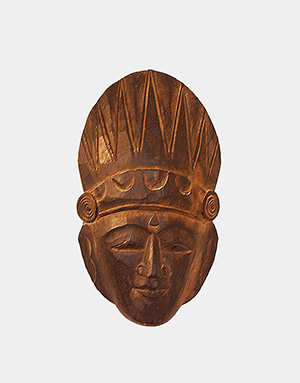
20 Oct 2020 Hand Crafted Wooden Masks
The use of mask has been very varied from time to time. Today as we see a mask, it is more of a decorative masterpiece for any house o r office or shops or malls. But at one point of time a mask was an object normally worn on the face, typically for protection, disguise, performance or entertainment shows. Masks have been used since ancient times for both ceremonial and practical purposes. The use of masks in rituals or ceremonies is a very ancient human practice across the world, although masks can also be worn for protection, in hunting, in sports, in feasts or in wars – or simply used as ornamentation. Some ceremonial or decorative masks were not designed to be worn. Although the religious use of masks has waned, masks are used sometimes in drama therapy or psychotherapy.
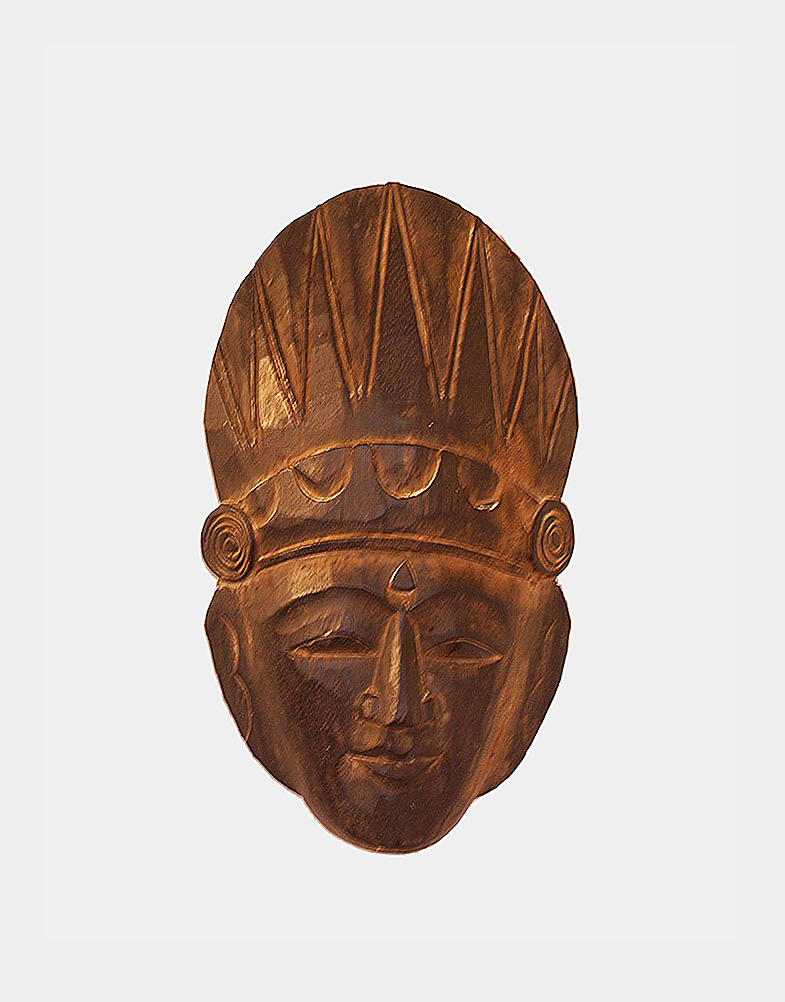
Face – Wooden Mask from Bali
There are various counties around the world that has the history of mask making. Africa, Asia, Europe or America, every continent has the tradition of mask making. Amongst them Africa and Asia has the highest mask making tradition.
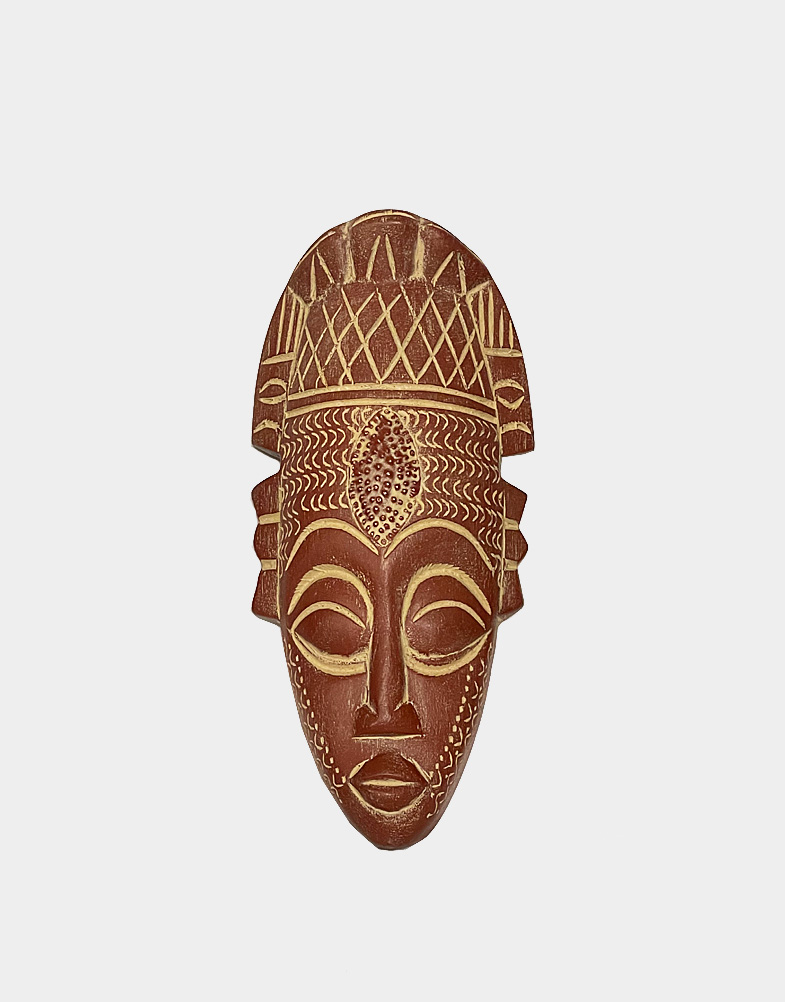
Hand-Carved Wood Mask from Africa
There are a wide variety of masks used in Africa. In West Africa, masks are used in masquerades that form part of religious ceremonies enacted to communicate with spirits and ancestors. Many African wooden masks represent animals. Some African tribes believe that the animal masks can help them communicate with the spirits who live in forests or open savannas. People of Burkina Faso known as the Bwa and Nuna call to the spirit to stop destruction.
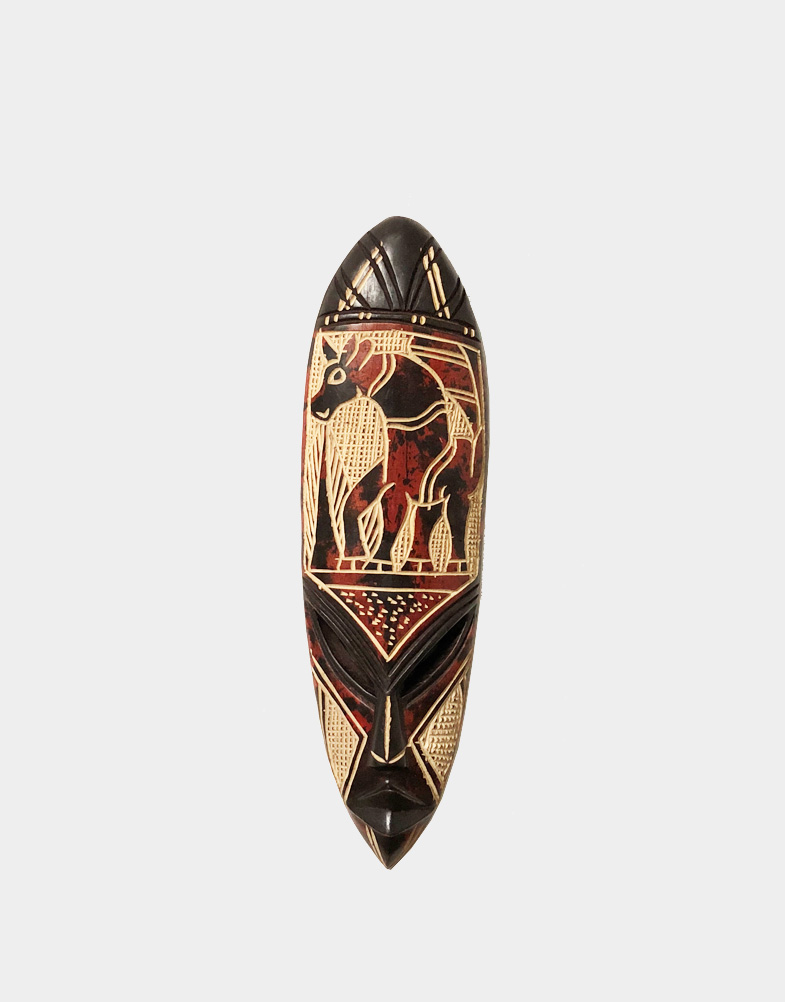
Decorative Fang Mask from Ghana, Africa
Djolé is a mask-dance from Temine people in Sierra Leone. Males wear the mask, although it does depict a female. The Senoufo people of the Ivory Coast represent tranquility by making masks with eyes half-shut and lines drawn near the mouth.
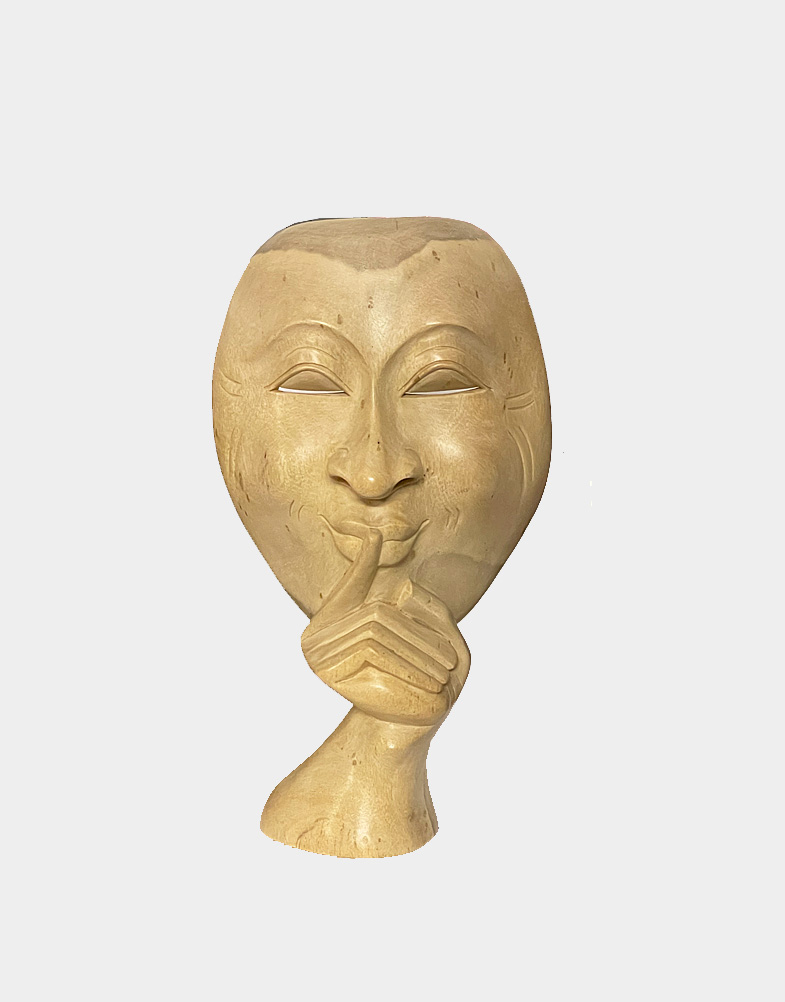
Hibiscus Wood Mask, Bali
In Indonesia, the mask dance predates Hindu-Buddhist influences. It is believed that the use of mask is related to the cult of the ancestors, which considered dancers the interpreters of the gods. Native Indonesian tribes such as Dayak have masked Hudoq dance that represents nature spirits. In Java and Bali masked dance is commonly called topeng and demonstrated Hindu influences as it often feature epics such as Ramayana and Mahabharata. The native story of Panji also popular in topeng masked dance. Indonesian topeng dance styles are widely distributed, such as topeng Bali, Cirebon, Betawi, Malang, Yogyakarta and Solo.
If you are a mask lover, Craft Montaz is a treasure house of mask from across the globe. Explore the wide variety of wooden mask available and choose the best that suits your need.
Pushpita is a freelance writer on world handicrafts and lifestyle. Pushpita holds a Masters in English literature and is a rich media professional.